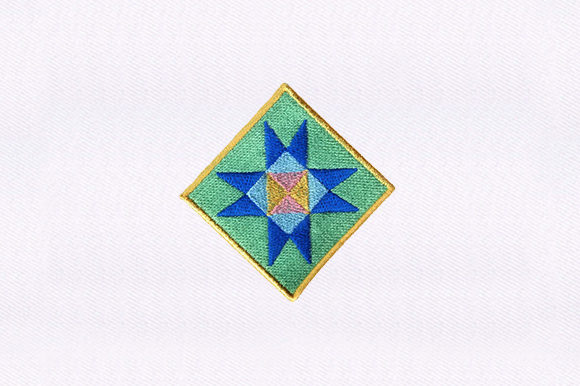
Quilting Embroidery Design Review
As an experienced embroidery designer, I recently reviewed the Quilting machine embroidery design (SKU E-21613) for its potential in small business merchandise and branded patch use. This review focuses on how it performs in real-world commercial applications, from embroidered patches to custom apparel.
First Impressions of Quilting
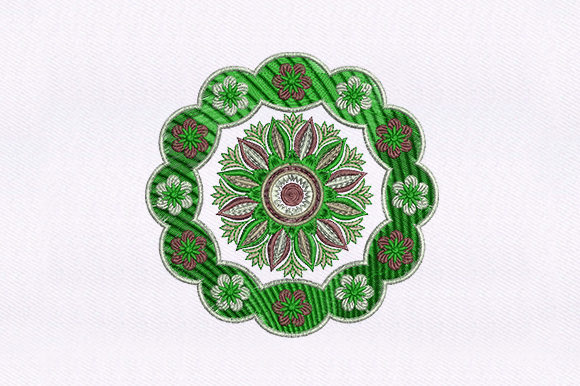
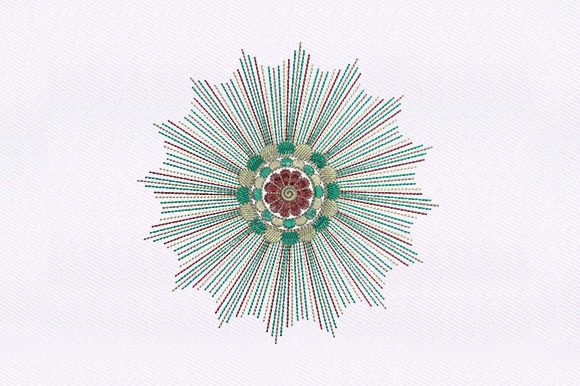
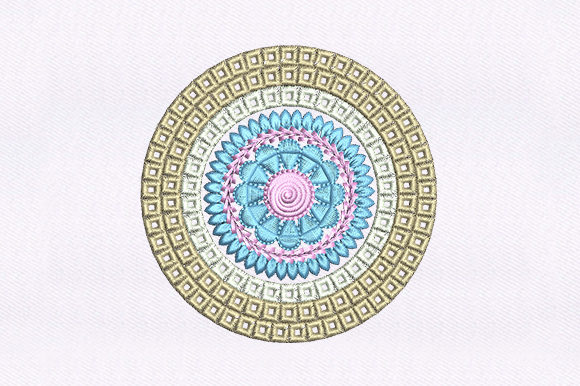
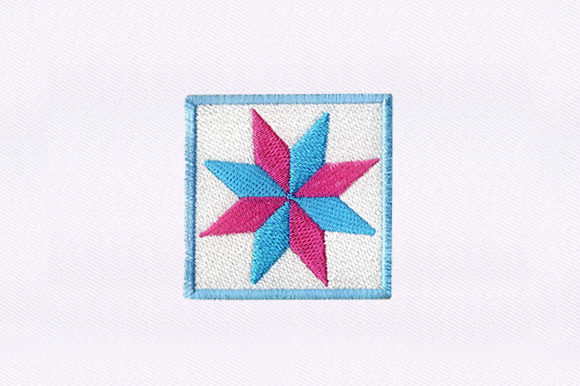
The name Quilting immediately suggests a sense of craftsmanship, warmth, and tradition. The design feels handmade, with a rustic yet premium aesthetic that could appeal to a variety of small businesses. It’s not overly bold or playful, making it suitable for brands that want to convey elegance and timelessness without being too formal.
Performance in Real Business Use
Quilting is versatile enough to work well as an embroidered patch for staff uniforms, aprons, or even as a cap embroidery detail. Its clean lines and soft curves make it ideal for tote bag design or product packaging accents. For a boutique or handmade shop, this design can add a subtle touch of brand identity without overpowering the overall look.
Small businesses looking to create custom apparel will find Quilting useful as a chest logo accent or sleeve detail. It works especially well on work shirts or apron embroidery where a softer, more approachable image is desired. The design also has the potential to enhance customer gifts and event merch, giving them a personal, handmade product feel.
For Etsy branding or craft business assets, Quilting can be used in printable mockups to showcase how your brand’s design assets would look when embroidered. This makes it a valuable addition to any commercial embroidery project that requires visual consistency across multiple items.
Where to Use Quilting with Caution
While Quilting is a strong design, there are certain scenarios where it should be used carefully. When working with small patch sizes, the details may become less defined, so testing at the minimum hoop size (6×6) is essential. On curved surfaces like cap fronts, the design might require slight adjustments to maintain clarity.
High stitch density areas or detailed outlines could affect the final finished product, especially on textured fabric or dark uniforms. It’s important to check thread color contrast and spacing before production to ensure the brand identity remains clear and professional.
Frequent washing can also impact the longevity of the design, so using the right stabilizer and fabric type is crucial for maintaining quality over time.
Impact on Brand Identity and Customer Perception
An effective embroidery file like Quilting plays a key role in shaping brand identity and customer trust. Its classic, handmade appearance aligns well with businesses that want to emphasize authenticity and quality. This design can help build recognition and professionalism, especially when used consistently across small business merch.
By incorporating Quilting into custom apparel or branded product add-ons, businesses can elevate their product value and create a more cohesive visual consistency across all marketing materials. This level of attention to detail helps increase buyer engagement and reinforces a strong brand presence.
Practical Embroidery Designer Notes
Before using Quilting in a commercial setting, here are some practical tips:
- Test it in black and white first to evaluate contrast and detail visibility.
- Check if it works at small patch size to ensure it maintains clarity when scaled down.
- Review thread color contrast to match your brand colors effectively.
- Inspect spacing and adjust as needed for different fabric types.
- Confirm hoop size (6×6) and test on real fabric to avoid surprises during production.
- Use proper stabilizer to prevent shifting or distortion on textured fabrics.
- Create a printable mockup for client approval before finalizing the design.
- Compare it beside other design assets to ensure it complements your existing brand visuals.
- Confirm commercial licensing before using it for business purposes.
Quilting offers a unique blend of classic and modern elements that can be adapted for various embroidery projects. Whether you're designing branded patches, cap embroidery, or tote bag designs, this machine embroidery design provides a solid foundation for creating custom apparel that reflects your brand's personality and values.